

















 Scan to add our LINE
Which MBA school should you apply to? Location, ranking and cost compared
Most applicants start with a ranking and stop there. That's how people end up with a list of six schools that all look the same and none that fit their goals. A good school list balances four things: where you want to work after, how long you can step away from your career, what you can afford and how competitive your profile is.
1. Start with where you want to work
Your MBA network is strongest in the city and region where the school sits. Ask yourself where you want to be in five years, then work backwards.
- UK schools such as Oxford, Cambridge and Imperial run one year programs. You return to work fast and spend less on living costs.
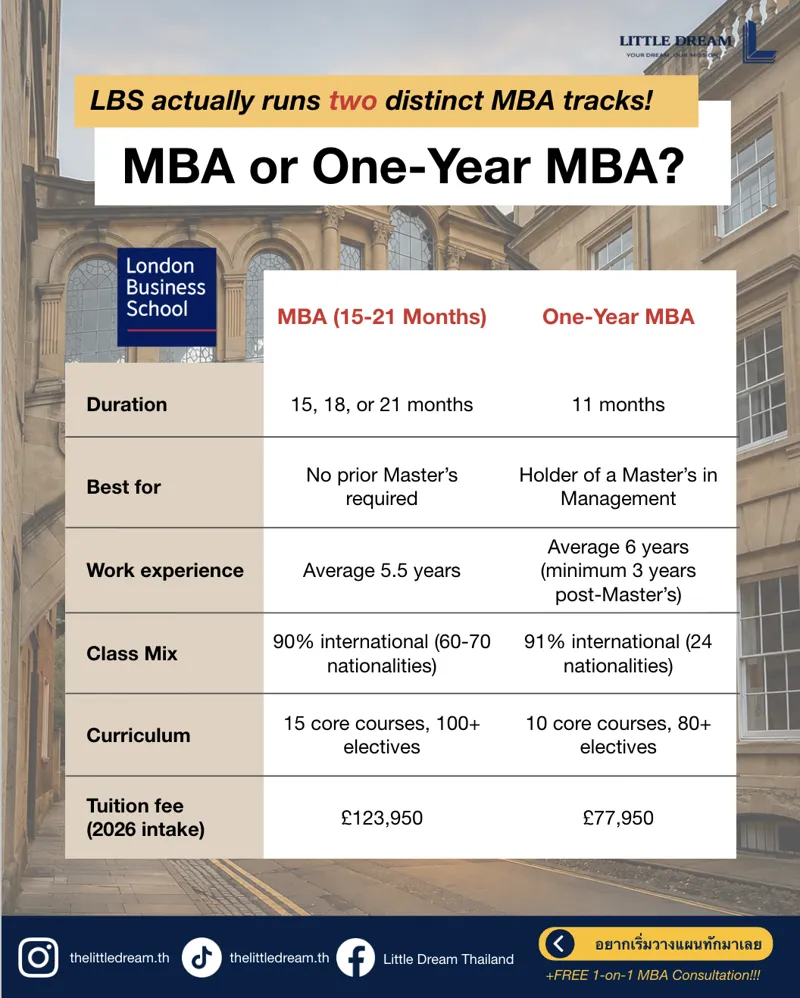
- London Business School offers 15, 18 or 21 months, which gives you a summer internship. That matters if you want to switch industry.
- US programs usually take two years. They suit you if you want to work in the US or need a long internship to change careers.
- INSEAD runs a 10 month program across France and Singapore, popular for consulting.
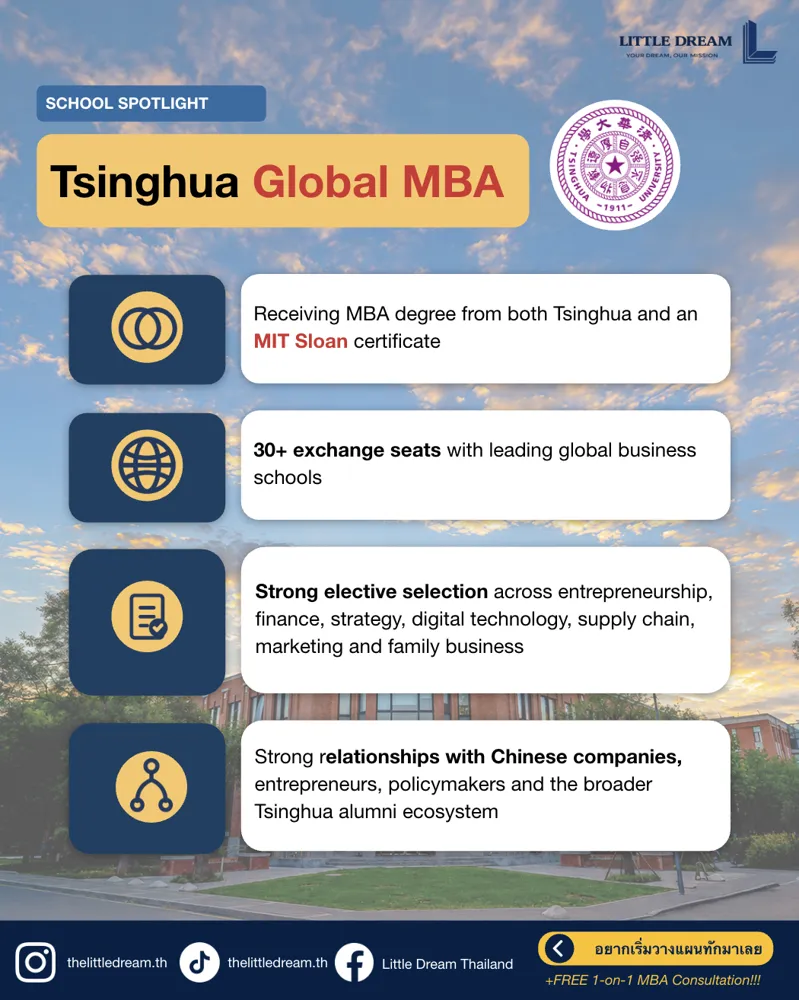
- China's top programs, such as Tsinghua, Peking Guanghua, Fudan and CEIBS, give you deep access to Asian business at a lower cost.
2. Use rankings, but read them properly
Rankings help you sort schools into tiers. They don't tell you which school is right for you. Here is how a few schools our students target placed in the Financial Times Global MBA ranking 2026.
| School | FT Global MBA 2026 | Program length |
|---|---|---|
| MIT Sloan | 1 | 2 years |
| INSEAD | 2 | 10 months |
| London Business School | 4 (tied) | 15 to 21 months |
| HEC Paris | 6 | 12 or 16 months |
| CEIBS | 8 | 12 to 16 months |
| Peking University Guanghua | 14 | 2 years |
| Cambridge Judge | 17 (tied) | 1 year |
| Oxford Saïd | 27 (tied) | 1 year |
Notice how Oxford and Cambridge sit lower than their global brand suggests. The FT weighs salary growth heavily, and one year programs often score lower on that measure. In Thailand and across Asia, employers still treat both names as top tier. Look at the ranking and the brand together.
3. Be honest about the real cost
Tuition is only part of it. Add living costs, flights, visa fees and the salary you give up while you study.
| Program | Tuition | Intake |
|---|---|---|
| LBS MBA | £123,950 | 2026 |
| Oxford MBA | £94,120 | September 2027 |
| Cambridge MBA | £86,250 | September 2027 |
| LBS One-Year MBA | £77,950 | 2026 |
| Tsinghua Global MBA | RMB 198,000 | Latest published |
Fees change every year, so always check the school's own website before you budget. And remember scholarships. Our students have won up to THB 2.5 million in combined funding.
4. Build a balanced list
We recommend you apply to four to six schools across three groups.
- Dream schools (1 to 2). Your stretch picks. The competition is tough, but you'll never know unless you try.
- Target schools. Programs where your profile and scores match the class average. You have a real shot here.
- Safety schools. Programs where you sit above the average, so you still start in the year you planned.
Get a school list built for your profile
In a free 1:1 consult, we review your background, test scores and goals, then suggest dream, target and safety schools for you.